


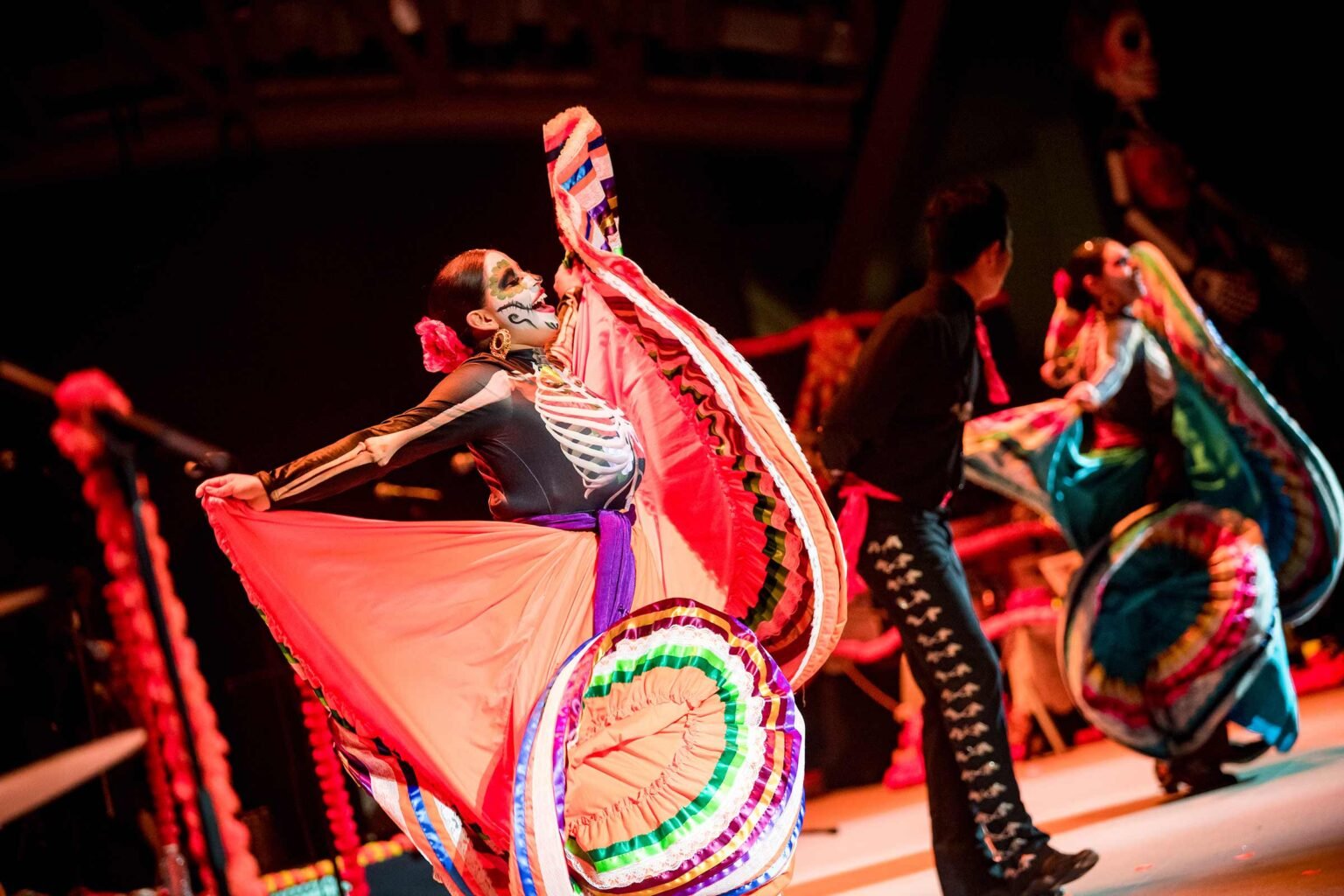

Arts/Performing Arts play a powerful role in our world, and they continue to inspire people of all ages every single day. Arts/Performing Arts include live performances such as theater, dance, music, and spoken word, and they help people share emotions, stories, and ideas in creative ways. Although many people enjoy movies and online videos, live performing arts create a special connection between artists and audiences. Because of that, they remain one of the most exciting and meaningful forms of human expression. In this guide, you will learn what Arts/Performing Arts are, why they matter, how they started, and how you can become part of this creative world.
What Are Arts/Performing Arts?
Arts/Performing Arts refer to creative activities where artists perform live in front of an audience, and they use their bodies, voices, or instruments to share stories and emotions. For example, actors perform in plays, dancers express ideas through movement, and musicians create music that moves people’s hearts. Unlike visual arts, which focus on paintings or sculptures, performing arts happen in real time. Therefore, each performance feels unique and special. Because performers and audiences share the same space, energy flows between them, which makes the experience powerful and unforgettable.
The History of Arts/Performing Arts
The history of Arts/Performing Arts goes back thousands of years, and it started in ancient cultures around the world. In ancient Greece, people performed plays in open-air theaters to honor their gods and to explore big ideas about life and society. Meanwhile, in Asia, traditional dance and drama developed as part of religious and cultural festivals. Over time, performing arts spread across continents, and different cultures added their own styles and traditions. As a result, today we enjoy a rich mix of theater, opera, ballet, musical concerts, and modern performances. Although technology has changed many things, the heart of performing arts remains the same: people telling stories to other people.
Major Types of Arts/Performing Arts
Arts/Performing Arts include several major types, and each one offers a different way to express creativity. First, theater focuses on acting and storytelling through live drama. Second, dance uses movement and rhythm to express feelings and ideas. Third, music performance includes singing and playing instruments in front of an audience. In addition, opera combines singing, acting, and orchestra into one powerful experience. Furthermore, spoken word and performance poetry allow artists to share personal stories and social messages. Because of this variety, everyone can find a form of performing art that matches their interests and talents.
Theater in Arts/Performing Arts
Theater plays a central role in Arts/Performing Arts because it brings stories to life on stage. Actors memorize lines, rehearse scenes, and work together to create believable characters. Meanwhile, directors guide the vision of the play, and stage designers create sets and costumes that support the story. As the lights rise and the curtain opens, audiences step into another world. Although movies use cameras and editing, theater depends on live performance. Therefore, actors must stay focused and react in the moment. Because of this challenge, theater builds strong communication skills and teamwork.
Dance as a Powerful Form of Arts/Performing Arts
Dance stands out in Arts/Performing Arts because it speaks through movement instead of words. Ballet, hip-hop, contemporary, and traditional folk dances all share one goal: expressing emotion through the body. Dancers train for many years to build strength, flexibility, and control. At the same time, they learn how to connect music with movement. As a result, audiences can feel joy, sadness, excitement, or hope just by watching a dance performance. Because dance does not rely on language, it connects people from different cultures easily and quickly.
Music Performance in Arts/Performing Arts
Music performance forms another essential part of Arts/Performing Arts, and it touches people in deep and emotional ways. Singers use their voices to share songs, while musicians play instruments like the piano, guitar, violin, or drums. In concerts, artists perform live, and audiences often sing along or clap to the rhythm. Furthermore, orchestras bring together many instruments to create powerful and layered sounds. Because music can express feelings that words cannot explain, it remains one of the most loved forms of performing arts worldwide.
Why Arts/Performing Arts Matter in Society
Arts/Performing Arts matter in society because they help people understand themselves and others better. When audiences watch a play or listen to a song, they often see their own experiences reflected on stage. As a result, they feel less alone. In addition, performing arts can raise awareness about social issues and inspire positive change. For example, many plays and performances explore themes like equality, justice, and hope. Therefore, performing arts not only entertain but also educate and inspire communities.
Educational Benefits of Arts/Performing Arts
Arts/Performing Arts offer strong educational benefits, especially for children and young students. When students participate in drama or music programs, they improve their confidence and public speaking skills. Moreover, they learn discipline because they must practice regularly. At the same time, they develop teamwork skills by working with other performers. Studies often show that students involved in performing arts perform better academically. Because creativity supports problem-solving and critical thinking, performing arts strengthen both the mind and the heart.
Emotional and Mental Health Benefits of Arts/Performing Arts
Arts/Performing Arts also support emotional and mental health in many ways. When people perform, they express feelings that might otherwise stay hidden. As a result, they release stress and build emotional awareness. Similarly, audiences experience emotional relief when they watch moving performances. For instance, a powerful play might help someone process grief, while a joyful concert can lift someone’s mood. Therefore, performing arts create safe spaces for emotional growth and healing.
Careers in Arts/Performing Arts
Careers in Arts/Performing Arts go far beyond acting or singing, and they include many creative and technical roles. Performers, such as actors, dancers, and musicians, work in theaters, schools, and entertainment venues. However, behind the scenes, many professionals support each production. Directors, choreographers, lighting designers, sound engineers, and costume designers all play important roles. Additionally, arts managers organize events and handle marketing and budgets. Because of this wide range of opportunities, students with different skills can build successful careers in performing arts.
Challenges in Arts/Performing Arts
Although Arts/Performing Arts offer many rewards, they also present challenges. First, competition can be strong because many talented people want limited roles. Second, performers often face irregular income, especially at the beginning of their careers. Furthermore, long rehearsals and physical demands can feel exhausting. However, passion and dedication help artists overcome these obstacles. Because performing arts require persistence, those who truly love their craft often find ways to succeed and grow.
Technology and the Future of Arts/Performing Arts
Technology continues to shape Arts/Performing Arts in new and exciting ways. For example, live streaming allows people to watch performances from home. Meanwhile, digital lighting and sound systems create more dramatic stage effects. Social media also helps performers reach global audiences quickly. However, even as technology grows, live performance remains special. People still value the feeling of sitting in a theater and sharing an experience with others. Therefore, the future of performing arts will likely combine tradition and innovation.
How to Get Started in Arts/Performing Arts
If you want to join the world of Arts/Performing Arts, you can start with small and simple steps. First, join a school drama club, choir, or dance class. Next, practice regularly and seek feedback from teachers or mentors. Additionally, watch live performances to learn from experienced artists. As you grow, you can audition for community productions or local events. Because confidence builds through practice, each performance will help you improve and shine.
Supporting Arts/Performing Arts in Your Community
Supporting Arts/Performing Arts in your community makes a real difference. You can attend local shows, buy tickets, and share events on social media. Moreover, volunteering at theaters or donating to arts programs helps keep them alive. Schools and community centers often depend on public support to continue offering creative programs. Therefore, when you support performing arts, you invest in culture, creativity, and future generations.
Read more: Брайн Мапс – Хто він, чому його всі знають і як він підкорив YouTube
Conclusion: The Lasting Power of Arts/Performing Arts
Arts/Performing Arts continue to inspire, educate, and connect people across the world. Although trends change and technology evolves, the human desire to perform and to watch live storytelling remains strong. Because performing arts combine creativity, emotion, and community, they hold a unique place in society. Whether you choose to perform, support, or simply enjoy them, you become part of a tradition that stretches back thousands of years. In the end, Arts/Performing Arts remind us that creativity lives inside everyone, and when we share it, we make the world brighter and more meaningful.