


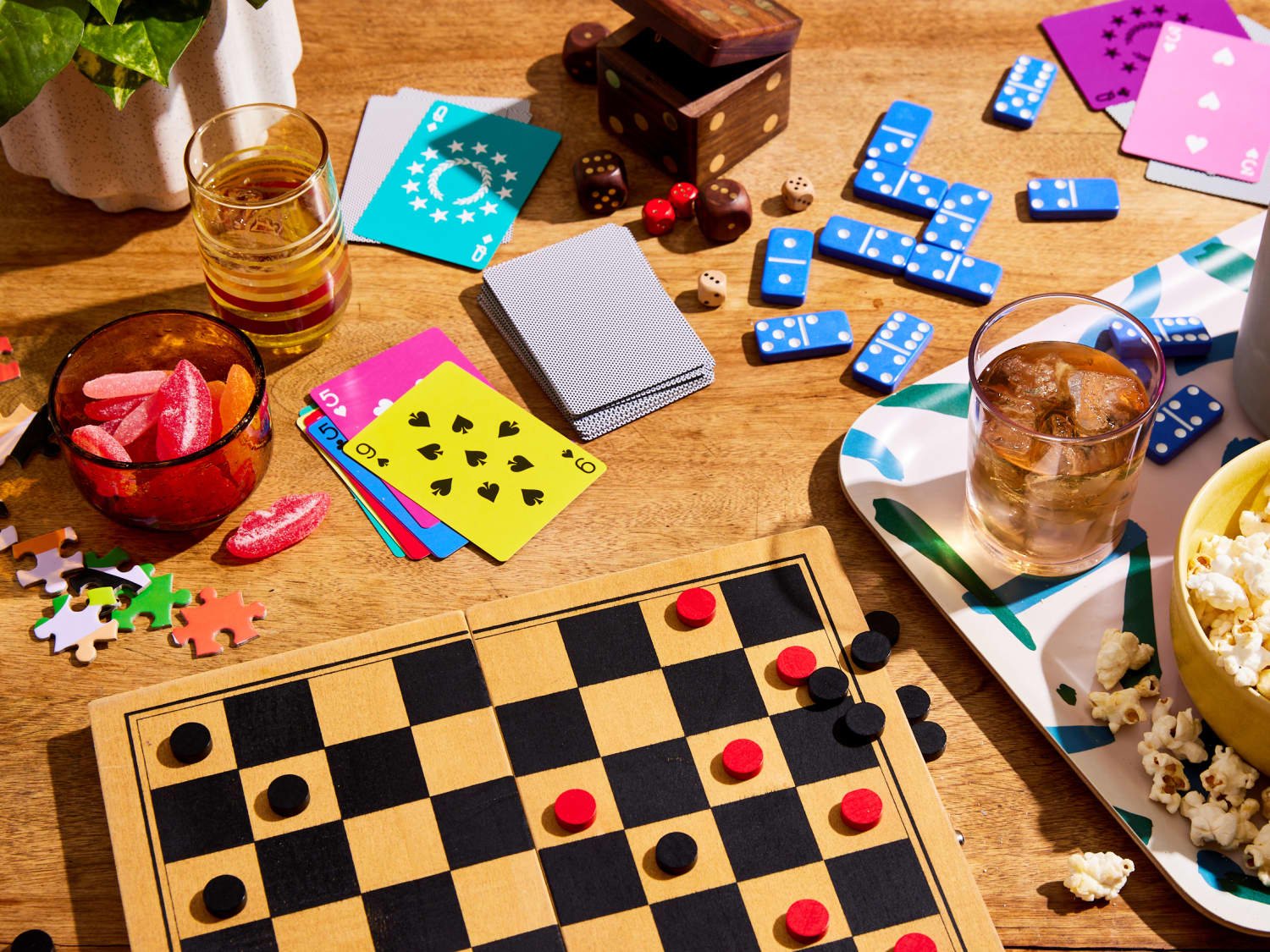

Games/Board Games are one of the best ways to bring people together, build strong bonds, and enjoy meaningful fun without screens. Whether you play with family, friends, or classmates, Games/Board Games create laughter, learning, and lasting memories. In fact, many people now choose board games over video games because they want real conversations and shared experiences. So, if you want to understand why board games matter and how to choose the best ones, this complete guide will help you step by step.
What Are Games/Board Games and Why Do People Love Them?
Games/Board Games are tabletop games where players follow rules, use pieces or cards, and try to win by skill, luck, or strategy. Unlike digital games, board games happen face to face, so players talk, plan, and react in real time. As a result, people feel more connected. Moreover, board games fit almost any age group, which means children, teens, adults, and even grandparents can play together. Because they mix fun with thinking skills, they stay popular year after year.
The History of Games/Board Games Through Time
Games/Board Games have existed for thousands of years, and historians believe early humans used simple stones and boards to create games. For example, ancient Egyptians played Senet, while ancient Romans enjoyed strategy games. Later, chess became popular across Europe and Asia, and it still remains famous today. During the 20th century, companies created family classics like Monopoly and Scrabble. Today, modern designers create hundreds of new board games every year, so the industry keeps growing rapidly.
Popular Classic Games/Board Games Everyone Knows
Many classic Games/Board Games continue to shine because they are easy to learn and fun to replay. For instance, Monopoly teaches money management while players buy and trade properties. Scrabble builds vocabulary as players create words on the board. Chess improves deep thinking and patience, while Checkers focuses on smart movement and timing. Because these games stay simple yet challenging, families still enjoy them after many decades.
Modern Strategy Games/Board Games for Deep Thinkers
Modern Games/Board Games often focus on strategy, teamwork, and creative planning. For example, Catan asks players to collect resources and build settlements, which means careful trading matters. Ticket to Ride challenges players to connect cities with train routes, so smart planning leads to victory. Pandemic encourages teamwork because players must stop global outbreaks together. As a result, these games create exciting tension and cooperation at the same time.
Family-Friendly Games/Board Games for All Ages
Family-friendly Games/Board Games help parents and children spend quality time together. For example, Candy Land offers simple rules that young kids understand quickly. Uno uses colorful cards and easy actions, so it keeps everyone engaged. Meanwhile, Guess Who builds memory and questioning skills. Because these games stay simple yet fun, families often choose them for weekend game nights.
Educational Benefits of Games/Board Games
Games/Board Games do more than entertain because they teach important life skills. First, they improve problem-solving since players must think ahead and make smart choices. Second, they build communication skills because players explain rules and strategies. Third, they encourage patience and focus since turns require attention. As a result, teachers often use board games in classrooms to support learning. Therefore, children gain both knowledge and confidence while having fun.
Social Skills Developed Through Games/Board Games
When people play Games/Board Games, they learn how to interact respectfully. For example, players take turns, follow rules, and accept wins or losses gracefully. Moreover, teamwork games teach cooperation and listening. Because these skills matter in daily life, board games become powerful tools for social growth. In addition, face-to-face play helps reduce loneliness, which means players feel more connected and valued.
Games/Board Games for Parties and Large Groups
If you plan a party, Games/Board Games can break the ice and energize the room. For example, games like Pictionary encourage drawing and guessing, which creates laughter quickly. Charades brings movement and acting into the mix, so people stay active. Meanwhile, party card games keep rules short and excitement high. Because large groups enjoy simple instructions, party games focus on speed and fun rather than deep strategy.
How to Choose the Right Games/Board Games for Your Needs
Choosing the best Games/Board Games depends on age, group size, and interests. First, consider the number of players because some games work best with two people, while others need four or more. Next, think about time since some games last 20 minutes, while others last hours. Also, check the difficulty level because beginners need simple rules. When you match the game to your group, everyone enjoys the experience more.
Games/Board Games for Two Players
Two-player Games/Board Games create intense competition and close interaction. Chess remains one of the strongest two-player games because it rewards careful planning. Additionally, games like Patchwork focus on strategy in a shorter time. Because two-player games remove distractions, players think deeply and react quickly. Therefore, couples and close friends often choose this style for focused fun.
Cooperative Games/Board Games That Build Teamwork
Cooperative Games/Board Games allow players to win or lose together, which changes the experience completely. For example, Pandemic requires players to stop diseases before time runs out. Similarly, Forbidden Island asks players to collect treasures while the island sinks. Because teamwork matters more than competition, players discuss plans and support each other. As a result, cooperative games build trust and unity.
The Growing Popularity of Games/Board Games in Modern Times
Today, Games/Board Games grow more popular because many people want offline fun. Although digital devices dominate daily life, families now seek screen-free activities. Board game cafés also appear in many cities, so players gather in welcoming spaces. Moreover, social media helps designers share new ideas quickly. Because of this modern revival, the board game market expands every year.
Benefits of Screen-Free Entertainment Through Games/Board Games
Games/Board Games offer healthy breaks from phones and computers. Since players focus on real conversations, they strengthen relationships naturally. Additionally, screen-free time improves sleep and reduces eye strain. Because children spend many hours online, parents often encourage board games as balanced entertainment. Therefore, families enjoy meaningful interaction without digital distractions.
Building a Collection of Games/Board Games at Home
Starting a home collection of Games/Board Games feels exciting and rewarding. First, choose one or two family games to begin. Next, add a strategy game and a party game for variety. Over time, you can explore different themes such as mystery, adventure, or history. Because board games last many years when cared for properly, your collection can grow slowly and wisely.
Hosting the Perfect Games/Board Games Night
Hosting a Games/Board Games night requires simple planning but delivers big rewards. First, invite friends who enjoy similar types of games. Then, prepare snacks and drinks to keep energy high. Also, explain rules clearly before starting to avoid confusion. Because comfort matters, arrange seating around a large table. When everyone feels relaxed, the night becomes memorable and joyful.
Games/Board Games as a Hobby and Community
Many people treat Games/Board Games as a serious hobby. They join local clubs, attend tournaments, and follow new releases. In fact, board game conventions attract thousands of fans each year. Because communities welcome newcomers warmly, beginners feel comfortable learning new games. Therefore, board gaming becomes more than entertainment; it becomes a shared passion.
The Future of Games/Board Games
The future of Games/Board Games looks bright and creative. Designers continue to invent new mechanics and themes. Additionally, hybrid games combine physical boards with small digital features. However, the heart of board gaming remains face-to-face interaction. Because people value real connection, board games will likely stay popular for generations.
Why Games/Board Games Will Always Matter
Games/Board Games matter because they bring joy, learning, and unity. Although trends change, human connection stays important. Board games create shared stories, friendly competition, and meaningful conversations. As a result, families grow closer and friendships grow stronger. Therefore, investing time in board games builds memories that last far beyond the final move.
Read more: Безплатні ігри – повний гід для дітей і дорослих у 2025 році
Conclusion
Games/Board Games offer more than simple fun because they connect people, build skills, and create lasting memories. Whether you enjoy classic games, deep strategy titles, or quick party options, there is a perfect board game for you. Moreover, because board games encourage communication and teamwork, they improve both social and thinking skills. So, if you want meaningful entertainment without screens, start exploring the world of board games today. When you gather around a table, roll the dice, and share laughter, you experience something truly special.