


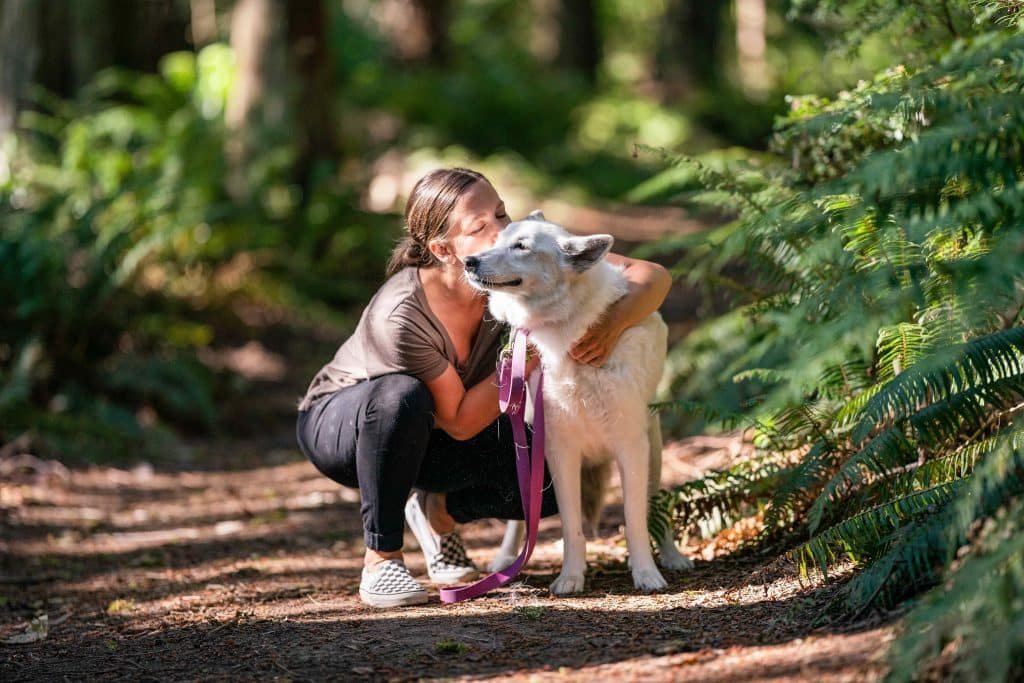

Recreation/Pets is one of the most joyful and rewarding parts of family life because it brings fun, love, and learning together in one simple experience. When we talk about Recreation/Pets, we mean spending active, meaningful time with animals while also caring for their physical and emotional needs. Not only do pets bring happiness into our homes, but they also teach responsibility, patience, and kindness. As a result, families who focus on Recreation/Pets often build stronger bonds with their animals and with each other. In this complete guide, you will learn how Recreation/Pets improves daily life, how to choose the right pet, and how to keep your pet active, safe, and happy for years to come.
Why Recreation/Pets Matters for Families
Recreation/Pets matters for families because it combines healthy activity with emotional connection, and therefore it improves both mental and physical well-being. When children play with pets, they learn empathy and responsibility at the same time. Moreover, adults reduce stress when they walk a dog or relax while watching fish swim. Because pets depend on us, families naturally create routines, and those routines build structure and discipline. In addition, shared pet activities encourage teamwork, which strengthens relationships inside the home.
The Emotional Benefits of Recreation/Pets
Recreation/Pets provides strong emotional benefits because animals offer unconditional love and comfort. For example, when someone feels sad, a pet often senses that emotion and stays close. As a result, people feel less alone and more supported. Furthermore, spending playful time with pets releases happy hormones in the brain, which improves mood. Since pets do not judge or criticize, they create a safe space for children and adults to relax. Therefore, Recreation/Pets supports emotional health in a simple yet powerful way.
Physical Health and Recreation/Pets Activities
Recreation/Pets also improves physical health because many pet activities require movement and exercise. For instance, walking a dog encourages daily outdoor activity. Likewise, playing fetch in the yard keeps both the pet and the owner active. Because regular movement strengthens the heart and muscles, families who engage in Recreation/Pets often enjoy better fitness levels. In addition, fresh air and sunlight boost energy and improve sleep patterns. Consequently, active pet time supports long-term health for everyone involved.
Choosing the Right Animal for Recreation/Pets
Choosing the right animal is important because every family has different needs and lifestyles. First, consider your living space, since large dogs need more room while small pets adapt to apartments. Next, think about time commitment because some animals require more attention and grooming. For example, dogs need daily walks, whereas fish need tank cleaning and water checks. Additionally, research each pet’s personality traits so you understand how they interact with children. By making a careful choice, you ensure that Recreation/Pets remains enjoyable rather than stressful.
Dogs and Recreation/Pets Fun
Dogs are popular in Recreation/Pets activities because they love exercise and social interaction. For example, you can take your dog to the park for running and fetch games. Moreover, dogs enjoy training sessions, which turn learning into a playful challenge. Since dogs respond to praise and treats, they quickly connect fun with positive behavior. As a result, dog-based Recreation/Pets activities often strengthen obedience and trust. Therefore, families who enjoy outdoor adventures often find dogs to be perfect companions.
Cats and Creative Recreation/Pets Time
Cats also fit well into Recreation/Pets routines, although their style of play differs from dogs. For instance, cats enjoy chasing toys, climbing cat trees, and exploring small spaces. While they may seem independent, they still crave attention and affection. Because cats respond to interactive toys, families can create short but exciting play sessions. Furthermore, indoor cat activities help reduce boredom and prevent unwanted behavior. Consequently, Recreation/Pets with cats can be both calm and playful at the same time.
Small Animals in Recreation/Pets
Small animals such as rabbits, hamsters, and guinea pigs also play an important role in Recreation/Pets. Although they are smaller in size, they still require daily care and gentle interaction. For example, supervised playtime outside their cages allows them to explore safely. Additionally, cleaning their living space teaches children about hygiene and responsibility. Because these animals need gentle handling, they help children learn patience and kindness. Therefore, small pets create valuable learning moments within Recreation/Pets activities.
Birds and Interactive Recreation/Pets Experiences
Birds add a unique dimension to Recreation/Pets because they communicate through sound and movement. For instance, parrots can learn simple words and tricks. Meanwhile, smaller birds enjoy flying within safe indoor spaces. Since birds require mental stimulation, puzzle toys and training sessions keep them engaged. In addition, their colorful feathers and songs bring beauty into the home. As a result, Recreation/Pets with birds becomes both educational and entertaining.
Fish and Calm Recreation/Pets Moments
Fish may not run or jump, but they still contribute to Recreation/Pets in a peaceful way. Watching fish swim reduces stress and promotes relaxation. Moreover, maintaining a clean aquarium teaches discipline and consistency. Because fish tanks require balanced water conditions, families learn basic science through practice. In addition, decorating aquariums allows creativity and artistic expression. Consequently, fish offer a quiet yet meaningful Recreation/Pets experience.
Creating a Safe Environment for Recreation/Pets
Safety must always come first in Recreation/Pets activities because pets depend on us for protection. First, remove harmful objects from play areas to prevent accidents. Next, provide safe toys that match your pet’s size and strength. Furthermore, keep cleaning supplies and toxic plants out of reach. Because regular vet visits prevent illness, schedule checkups at least once a year. By prioritizing safety, you ensure that Recreation/Pets remains joyful and worry-free.
Training and Discipline in Recreation/Pets
Training plays a key role in Recreation/Pets because it builds structure and understanding between pets and owners. For example, basic commands such as sit, stay, and come improve safety during outdoor play. In addition, reward-based training strengthens trust and cooperation. Since pets respond best to consistency, use the same commands each time. Moreover, patience leads to better results than punishment. Therefore, structured training enhances the overall Recreation/Pets experience.
Nutrition and Health in Recreation/Pets
Good nutrition supports Recreation/Pets because healthy pets have more energy for fun activities. First, choose food that matches your pet’s age and size. Then, provide fresh water daily to maintain hydration. Additionally, avoid feeding harmful human foods that may upset their stomach. Because regular exercise works best with balanced nutrition, combine healthy meals with active play. As a result, pets stay energetic and ready for Recreation/Pets adventures.
Indoor Recreation/Pets Activities
Indoor Recreation/Pets activities are important, especially during bad weather. For example, you can create obstacle courses using safe household items. Additionally, puzzle toys challenge pets mentally and reduce boredom. Because indoor play strengthens focus, pets learn new skills faster. Moreover, short play sessions throughout the day keep energy balanced. Consequently, even small spaces can support exciting Recreation/Pets routines.
Outdoor Recreation/Pets Adventures
Outdoor Recreation/Pets adventures bring variety and excitement into daily life. For instance, hiking trails allow dogs to explore new smells and environments. Meanwhile, backyard play areas offer safe spaces for running. Since sunlight improves mood, outdoor time benefits both pets and owners. Furthermore, outdoor socialization helps pets develop confidence. Therefore, balanced outdoor Recreation/Pets activities enrich everyday experiences.
Teaching Children Through Recreation/Pets
Recreation/Pets provides valuable life lessons for children because caring for animals builds character. For example, feeding schedules teach responsibility and time management. Additionally, grooming routines show the importance of hygiene. Since children see how their actions affect their pets, they learn accountability. Moreover, positive interactions encourage compassion and empathy. As a result, Recreation/Pets becomes both fun and educational.
Building Strong Bonds with Recreation/Pets
Strong bonds grow naturally through Recreation/Pets because shared time creates trust and connection. For instance, daily walks become moments for conversation and reflection. Likewise, play sessions build joyful memories. Because pets recognize routine affection, they respond with loyalty and excitement. In addition, consistent interaction reduces anxiety in animals. Therefore, Recreation/Pets strengthens emotional ties between humans and animals.
Managing Time for Recreation/Pets
Time management ensures that Recreation/Pets fits smoothly into busy schedules. First, set specific times for feeding and exercise. Then, involve all family members in shared responsibilities. Because routines create predictability, pets feel secure and calm. Additionally, short daily activities often work better than occasional long sessions. Consequently, balanced scheduling keeps Recreation/Pets enjoyable and stress-free.
Common Mistakes in Recreation/Pets
Although Recreation/Pets brings joy, some mistakes can reduce its benefits. For example, overfeeding may lead to health problems. Similarly, inconsistent training causes confusion. Because pets rely on structure, irregular routines create stress. Furthermore, ignoring warning signs of illness can result in serious issues. Therefore, awareness and education help families avoid common Recreation/Pets mistakes.
The Future of Recreation/Pets in Modern Life
Recreation/Pets continues to grow in importance because modern life often feels busy and stressful. However, pets bring calm and balance into our homes. As technology increases screen time, outdoor pet activities encourage real-world connection. Moreover, new toys and training tools make engagement easier than ever. Since families seek meaningful experiences, Recreation/Pets remains a powerful source of joy and growth.
Read more: Английский кокер-спаниель – повний гід для сім’ї, догляду та характеру
Conclusion
Recreation/Pets transforms ordinary days into moments of joy, learning, and connection. Because pets offer love without conditions, they become true members of the family. Through regular activity, balanced nutrition, and patient training, families create healthy routines that benefit everyone. Moreover, shared pet experiences build trust, responsibility, and happiness. When you commit to Recreation/Pets with care and intention, you create a lifetime of memories filled with fun and companionship.